Did you know that waste plastic can be converted into valuable chemicals using clean solar energy? This groundbreaking process, known as photothermal catalysis, harnesses the power of the sun and transforms it into chemical energy. However, developing photothermal catalysts with high conversion efficiency and catalytic activity is no easy task.
A recent breakthrough in this field comes from the research team led by Prof. Jinxing Chen from Soochow University, China. They have successfully developed an integrated photothermal catalyst called c-ZIF-8 coated with a SiO2 layer. This innovative approach focuses on enhancing catalytic activity by minimizing thermal radiation loss and maximizing the localized heating effect of the catalyst.
Their findings were published in the prestigious Chinese Journal of Catalysis.
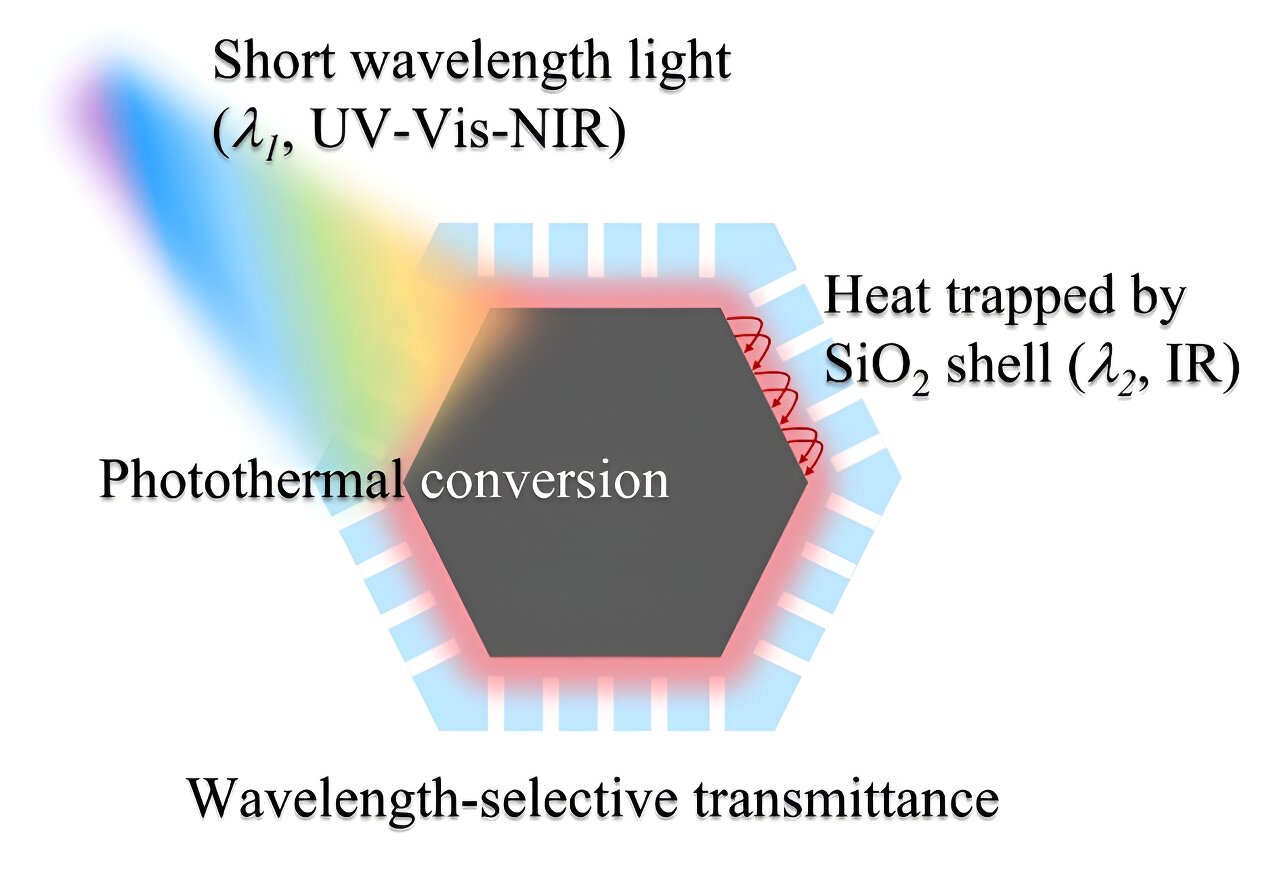
This study introduces a novel catalyst design approach involving the synthesis of ZIF-8 nanoparticles using a template method. To create the integrated photothermal catalyst (c-ZIF-8@SiO2), a layer of SiO2 is coated onto the surface of ZIF-8, followed by a high-temperature carbonization treatment. The internal carbon material within the catalyst absorbs solar energy and generates heat, while the outer SiO2 layer selectively allows penetration of solar light, which is then absorbed by the carbon core.
This design effectively reduces thermal radiation loss and enhances the local thermal effect during the photothermal catalysis process. Additionally, the SiO2 shell provides a protective effect, resulting in a highly stable catalyst. Overall, this catalyst design strategy offers a universal method for enhancing the local thermal effect in photothermal catalysis and holds potential applications in the development of efficient photothermal catalytic systems.
By harnessing sunlight, the c-ZIF-8@25SiO2 catalyst can efficiently upcycle PET into valuable monomers. The PET glycolysis experiment conducted under outdoor sunlight and the selective recovery of PET from mixed plastics further demonstrate the promising applications of photothermal catalytic PET glycolysis. Photothermal catalysis not only contributes to energy conservation and emission reduction, promoting green and sustainable development, but also provides new ideas and methods for efficient chemical recycling of plastics.