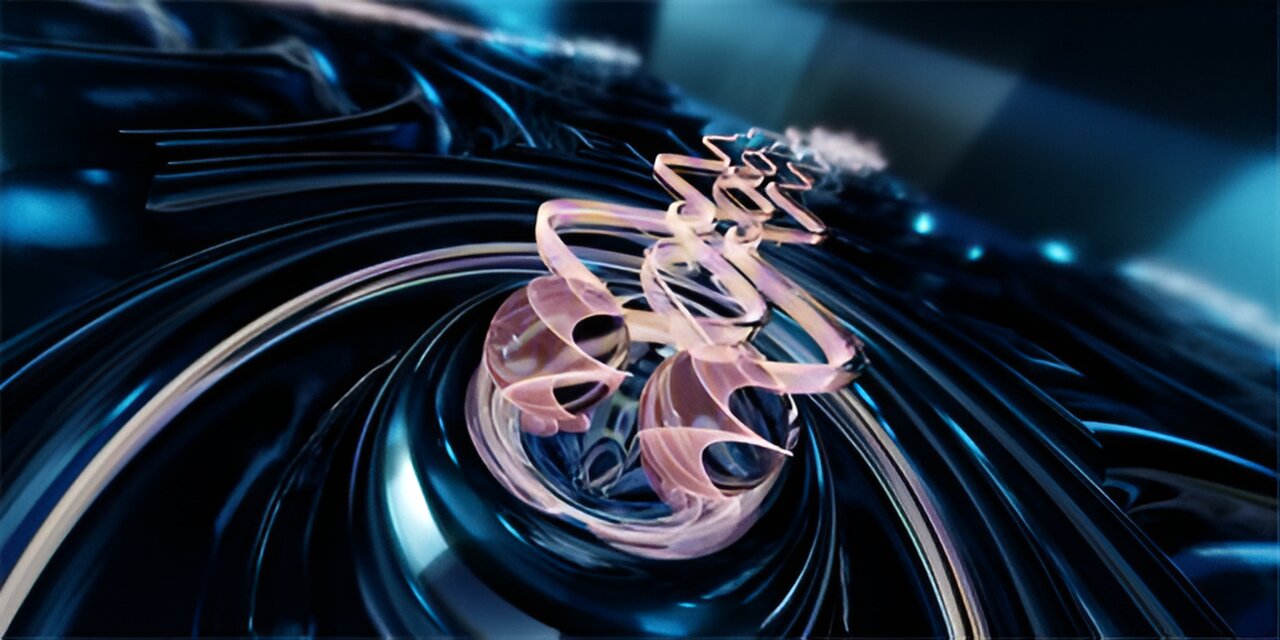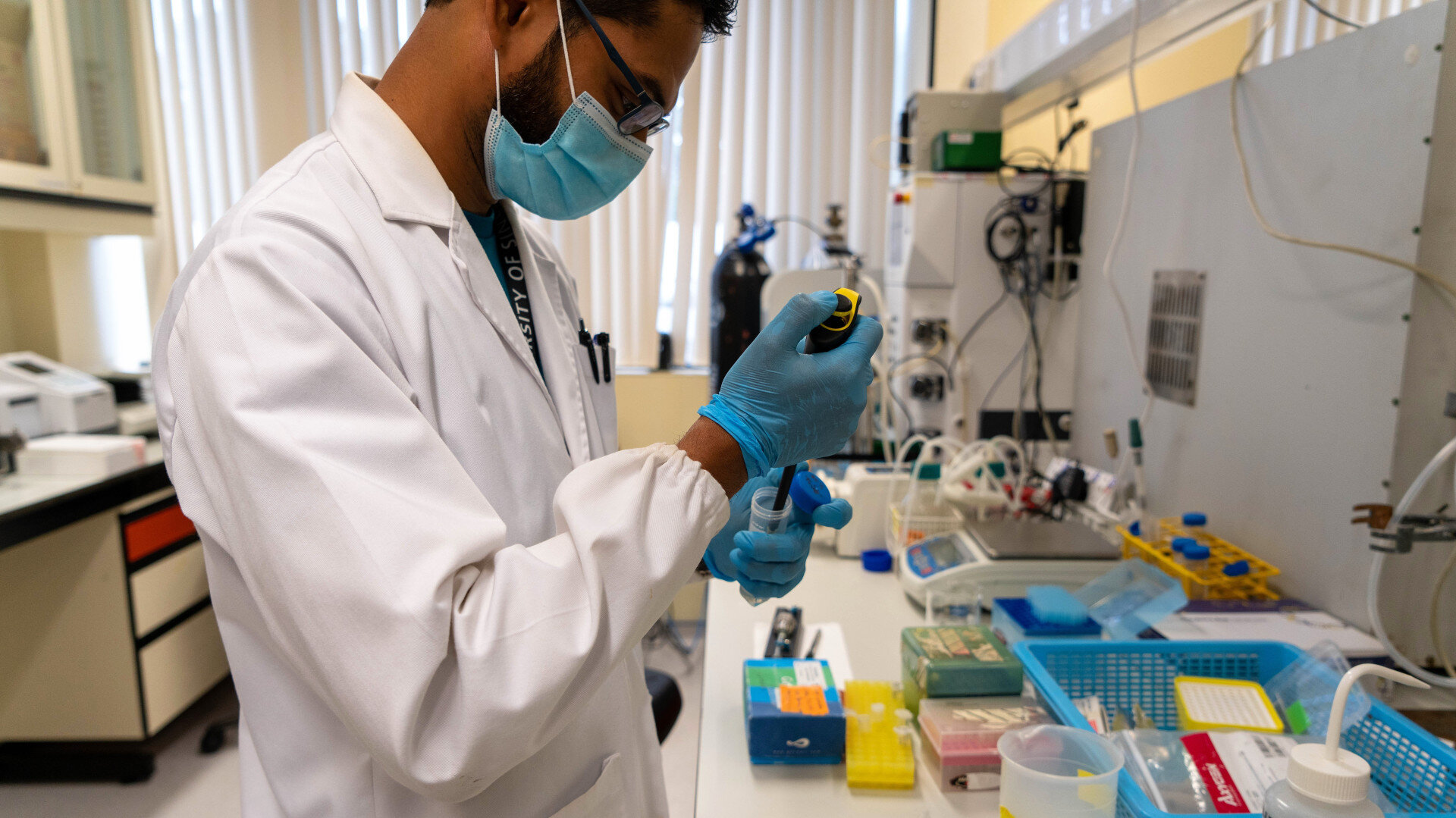
A team of scientists from the National University of Singapore’s (NUS) Department of Biological Sciences, in collaboration with the French Center for Scientific Research (CNRS), has achieved a groundbreaking feat. They have successfully synthesized a special protein-mimic that can self-assemble into a pore structure. When incorporated into a lipid membrane, these pores allow water to pass through while blocking salt ions. This discovery has immense potential to revolutionize industrial water purification methods and improve energy efficiency.
These protein-mimics, known as ‘oligourea foldamers,’ belong to a new class of artificial water channels (AWC). They have the potential to enhance the energy efficiency of current water purification methods. Traditional techniques like reverse osmosis and membrane distillation require high pressures to remove salts and pollutants from seawater or wastewater. However, with the development of these oligourea foldamers, the energy requirements for water purification can potentially be reduced.
Addressing the limitations of conventional membrane technologies
Previous research has focused on using aquaporins, naturally occurring proteins with water channels, for membrane fabrication. However, synthesizing enough aquaporins for large-scale water purification is expensive and time-consuming. In a recent publication in the scientific journal Chem, Professor Prakash Kumar and his team at NUS described a breakthrough. They developed a simpler molecular component that can self-assemble into transmembrane channel-like structures with pores. These structures mimic aquaporins, allowing only water molecules to pass through while rejecting salts and pollutants. The smaller size of the oligourea foldamers makes them easier to modify, synthesize, and purify compared to aquaporins or other AWCs.
How it works
The foldamers are amphiphilic, meaning they possess different charges that enable them to assemble into complex structures. This assembly creates pore-like water channels within the lipid membrane. The hydrophobic components on the exterior allow insertion into the membrane, while the hydrophilic interior selectively permits water molecules to cross while rejecting ions. Lab tests have demonstrated the selective water permeability across lipid membranes.
The oligourea foldamers exhibit similar functionality to natural porin-like structures, making them promising candidates for AWC membrane fabrication.
Greater stability and resistance to degradation
Compared to other AWCs, the foldamers developed by NUS researchers are more robust. Traditional proteins are susceptible to degradation by microbial enzymes found in unprocessed water. To address this, the NUS scientists replaced the vulnerable peptide bonds with urea bonds in the oligourea foldamers. This modification makes them less susceptible to enzymatic and microbial degradation.
First-of-its-kind protein-mimics that self-assemble into pores
The development of oligourea foldamers represents the first published attempt to create AWCs using short molecular chains that can self-assemble into precise nanostructures. These nanostructures exhibit high porosity and selectivity for water molecules. Professor Kumar emphasizes the significance of this discovery, stating that the foldamers’ unique design allows water-selective pores to emerge during self-assembly. Their high-water permeability and resistance to degradation make them excellent candidates for industrial water purification applications.
Next steps
In the initial phase, the scientists applied the foldamers to a test membrane to demonstrate their water purification capabilities. For the next phase of research, the team plans to optimize foldamer production and apply them to a larger membrane. Ultimately, they aim to test the efficiency of these foldamers in an industrial water purification facility.